

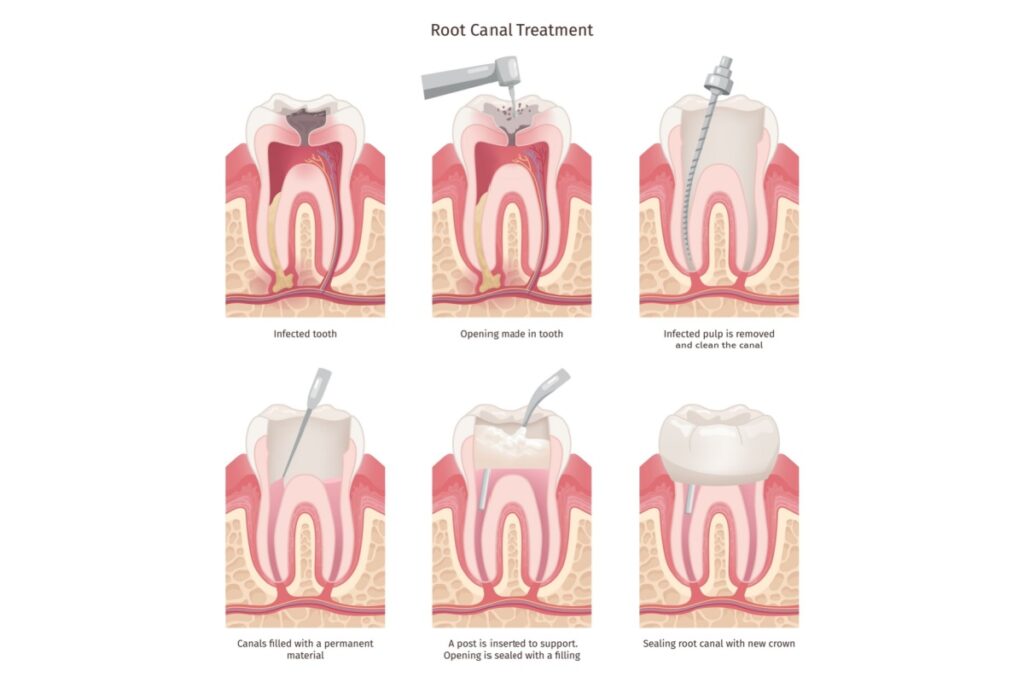
You’ve gone through a root canal treatment to save a tooth and find relief. Now that the procedure is done, you might be wondering what’s next for your tooth. A dental crown is often the next step, but is it always necessary?
A dental crown is recommended after a root canal to protect the treated tooth and restore its full strength and function. This final step helps you get back to chewing and smiling without a second thought.
What a Root Canal Does to Your Tooth
The Goal of a Root Canal Treatment
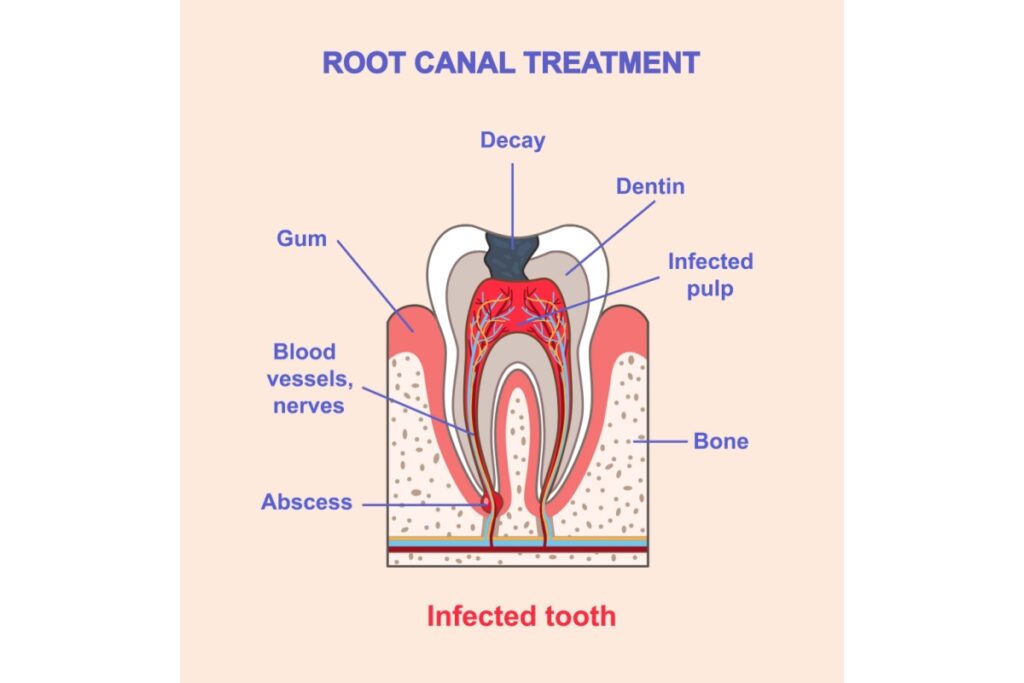
A root canal treatment helps with discomfort by removing the damaged inner tissue—or pulp—from inside your tooth. This is the part of the tooth that contains nerves and blood vessels. When it gets infected or inflamed, it can cause significant pain.
The main goal of this treatment is to save your natural tooth from needing to be pulled. Cleaning out the infected pulp saves the tooth, allowing you to keep your natural bite and avoid the need for an implant or bridge.
How the Tooth Changes After Treatment
Once the pulp is removed, the tooth no longer has a living blood supply to provide it with nutrients. Over time, this can make the tooth more brittle and susceptible to cracks than your other teeth.
You may also notice that the tooth changes colour slightly, sometimes taking on a darker or greyer shade. This is a normal result of the tooth no longer having living tissue inside of it.
Reasons a Crown Is Often Recommended
Think of a dental crown as a custom-fitted helmet for your tooth. It’s designed to cover the entire visible part of the tooth above the gumline, providing strength and protection from all sides.
- To strengthen the tooth: A root canal can leave a tooth hollowed out and fragile. A crown absorbs the pressure from biting and chewing, which prevents the weakened tooth from fracturing.
- To protect from future damage: The crown creates a strong seal over the treated tooth. This shield keeps bacteria out, protecting the tooth from new problems.
- To restore your tooth’s appearance: If the tooth has discoloured or requires a large filling, a crown can restore its natural shape and colour. It’s matched to your other teeth so it blends in seamlessly.
Factors That Determine the Need for a Crown
Your Tooth’s Location in Your Mouth
Where the tooth is located in your mouth is a key consideration. Your back teeth—the molars and premolars—do all the heavy lifting when it comes to grinding and chewing food.
These teeth handle a great deal of force, making them much more likely to crack after a root canal. Your front teeth are used more for biting and are under less pressure, so they may not always require a crown.
How Much Healthy Tooth Is Left
The amount of natural tooth structure that remains after the procedure is also important. If a lot of the tooth was lost to decay or a previous large filling, it will be significantly weaker.
Your dentist can evaluate the tooth’s integrity during a thorough dental exam to see how much support it needs. A tooth that had minimal damage before the root canal may be strong enough to manage with a less extensive restoration.
What Happens If You Skip the Crown?
Choosing not to get a crown when it has been recommended can leave your treated tooth at risk.
- Risk of fracture: The most significant risk is that the tooth could break. Biting down on something hard could cause a crack that goes below the gumline, a type of dental emergency often leading to an extraction.
- Potential for new problems: The filling material used to seal the tooth after a root canal may not be as durable as a crown. Over time, it could wear down or leak, allowing bacteria to re-enter the tooth.
- Challenges with chewing: You might find yourself avoiding certain foods or favouring one side of your mouth to protect the tooth. This can impact your ability to chew properly and enjoy your meals.
Other Options Besides a Dental Crown
While a crown is a common solution, it isn’t the only option. The right choice depends entirely on your unique situation, and various restorative dentistry services can be considered for specific cases.
- Dental fillings: If a front tooth has very little structural damage, a durable dental filling may provide enough support to seal the tooth.
- Inlays and onlays: These are sometimes called partial crowns. They offer more strength than a filling but don’t cover the entire tooth, preserving more of your natural tooth structure.
- No restoration: In very rare situations, a tooth might not need any further restoration. This is typically an option only for a front tooth with a very small access point for the root canal.
Strengthen, Seal, & Save
A dental crown is often the final step in a root canal treatment, helping your saved tooth last for years to come. The decision depends on the tooth’s location, its strength, and your personal needs.
If you’ve recently had a root canal and want to discuss your restoration options, our team at Montgomery Dental Centre is ready to provide guidance.
Contact our office to schedule an appointment and find the right solution for you.