
You notice a white spot on your tooth and wonder if it’s the start of a cavity. Your mind jumps to thoughts of drilling, filling, and expensive dental work. But what if that spot could actually heal on its own?
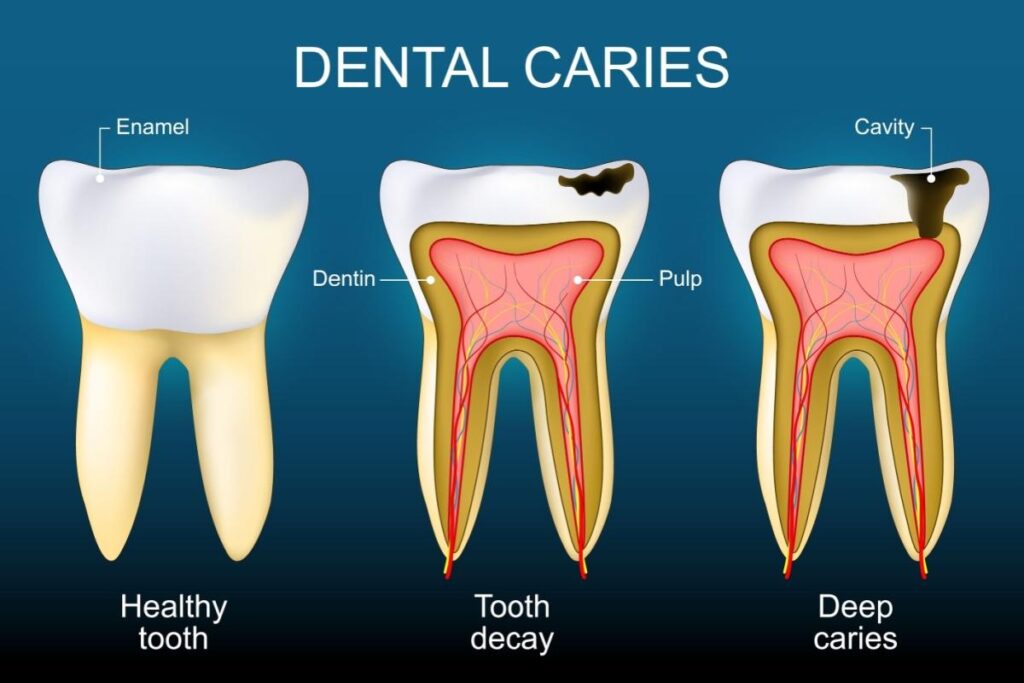
You can reverse early tooth decay before it becomes a cavity, but only when the damage stays in the outer enamel layer. Once decay breaks through to the deeper parts of your tooth, you need professional treatment to fix the problem. Restorative dentistry becomes necessary when natural healing isn’t enough.
What Happens When Cavities First Form
Your mouth becomes a battleground every day. Bacteria feed on sugars and starches from your meals, creating acid that attacks your tooth enamel. This acid pulls important minerals like calcium and phosphate right out of your teeth.
These mineral losses create weak spots in your enamel. You might see chalky white patches where your tooth structure has started to break down. Think of it like rust forming on metal—the damage starts small but can spread if you don’t address it.
White spots appear as warning signs before actual holes develop. Your tooth is telling you that something needs to change in your daily routine.
Early Decay You Can Actually Reverse
You can spot reversible decay by looking for specific changes. The surface might look different, but the structure underneath stays strong.
Watch for these early warning signs:
- Chalky white spots on teeth
- No visible holes or dark areas
- Enamel surface remains intact
When Reversal Becomes Impossible
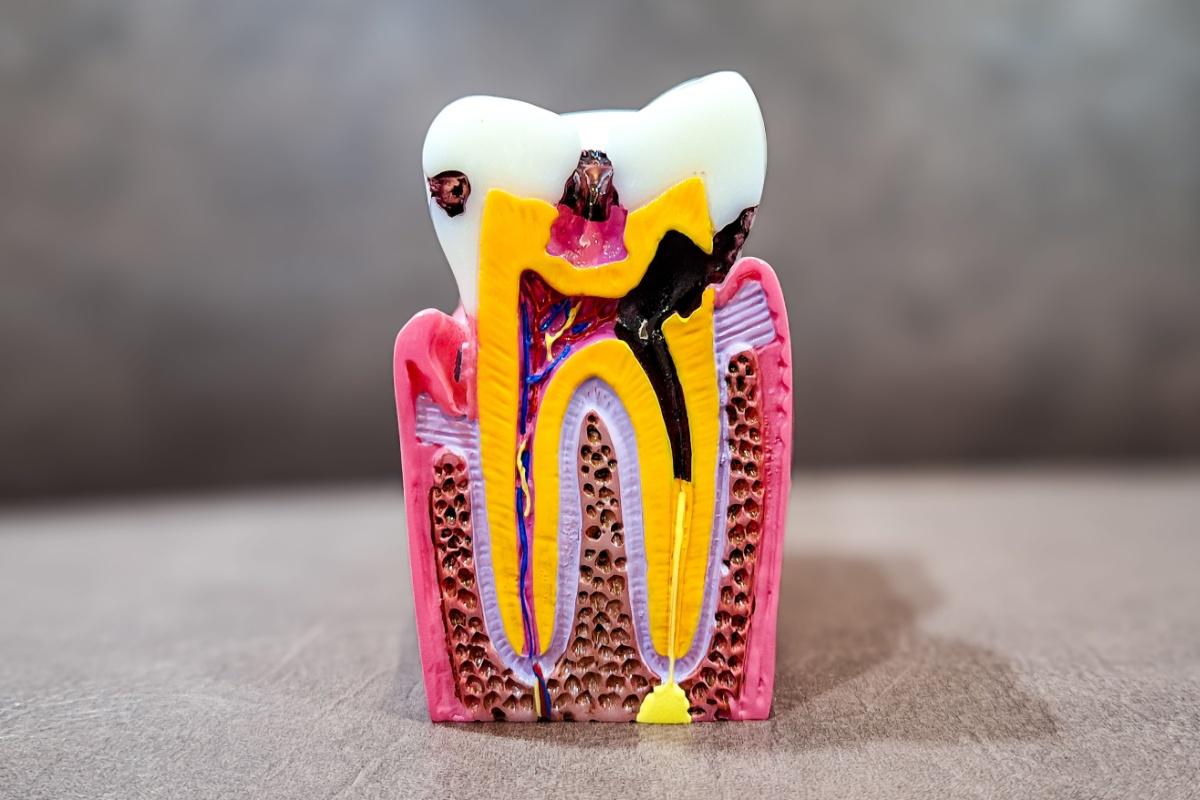
Some damage crosses a line where your body can’t fix itself anymore. Once decay breaks through the hard outer shell of your tooth, you need professional help to restore the area. Regular dental exams help identify these changes early.
These signs mean you need treatment from a dentist:
- Cavity reaches the dentin layer
- Visible holes form in teeth
- Brown or black spots appear
At this stage, dental fillings become the standard treatment to prevent further damage.
Natural Ways to Stop Early Decay
Your body has amazing healing powers when you give it the right tools. Saliva works around the clock to wash away harmful bacteria and deliver minerals to weak spots on your teeth.
Fluoride acts like a shield for your enamel. When you brush with fluoride toothpaste, you’re giving your teeth extra protection against acid attacks. The fluoride also helps rebuild areas where minerals have been lost.
Calcium-rich foods provide the building blocks your teeth need for repair. Your saliva picks up these minerals from your diet and carries them to areas that need healing. This natural process happens throughout the day, especially when you’re not eating or drinking.
Daily Habits That Promote Tooth Healing
Your At-Home Prevention Routine
Small changes in your daily routine can make a big difference for your oral health. The Canadian Dental Association recommends flossing before you brush. This helps your toothpaste reach areas where decay often starts.
Simple habits help your teeth heal, including limiting sugary snacks between meals and drinking water throughout the day.
Foods That Help Your Teeth
What you eat directly affects your mouth’s ability to fight decay. Some foods actually help clean your teeth while you chew them. Others provide minerals that strengthen your enamel.
Add these tooth-friendly options to your meals:
- Cheese and milk provide calcium
- Leafy greens offer minerals
- Sugar-free gum increases saliva
Following good oral health practices throughout your life helps maintain strong teeth naturally.
When to See Your Dentist
Sometimes you need professional help to get your oral health back on track. A dental team can remove hardened plaque that your toothbrush can’t reach. They can also apply treatments that help speed up the healing process.
Professional cleanings remove bacteria that cause decay and gum problems. Your hygienist can show you spots you might be missing during your home care routine.
Schedule an appointment if you notice:
- White spots that don’t fade after 3 months
- Tooth sensitivity that gets worse
- You haven’t had a cleaning in 6 months
Keep Your Teeth Healthy
Early intervention can save you from more complex treatments down the road. Our team at Montgomery Dental Centre helps families understand their oral health and provides gentle care for patients of all ages.
Contact us today to schedule your next checkup and learn more about protecting your family’s smiles.