


Key Takeaways
- Wisdom teeth are the third molars at the back of your mouth, and they usually appear between ages 17 and 21.
- Pain, swollen gums, and jaw stiffness can be signs that removal is worth discussing.
- Healthy wisdom teeth that bite properly and stay clean can often remain in place.
- Removal during the teen and young adult years is often simpler because roots aren’t fully formed.
- Soft foods, rest, and ice can help you through the first few days of recovery.
Why These Back Teeth Get So Much Attention
You’re eating dinner and feel a dull ache behind your last molar. Maybe your teenager mentions their jaw feels tight, or a check-up X-ray shows something new at the back corner of the mouth. Wisdom teeth have a habit of announcing themselves this way, and the team at Montgomery Dental Centre hears about it often. A simple dental exam and cleaning can show what’s going on back there.
Wisdom teeth need to be removed when they cause pain, repeat infections, decay, or damage to the teeth beside them, though healthy ones that fit comfortably and stay clean can often stay right where they are.
What Wisdom Teeth Are & When They Show Up
Wisdom teeth are the third molars, sitting at the very back of your mouth behind your other molars. They’re the last teeth to arrive, and most people see them between ages 17 and 21.
Some people never notice a thing. The teeth come in quietly, line up with everything else, and life goes on. Others feel every stage of the process and start asking questions about removal early, especially if a tooth stays partly under the gum. That situation is known as an impacted wisdom tooth.
Signs Your Wisdom Teeth May Need To Come Out
What You Might Feel
Your own mouth often gives you the first clue. Watch for these signs.
- Pain near the back of your mouth, sometimes coming and going over weeks
- Gums around the tooth that feel tender or look swollen
- Jaw stiffness or trouble chewing comfortably on one side
What Your Calgary Dentist Might Spot
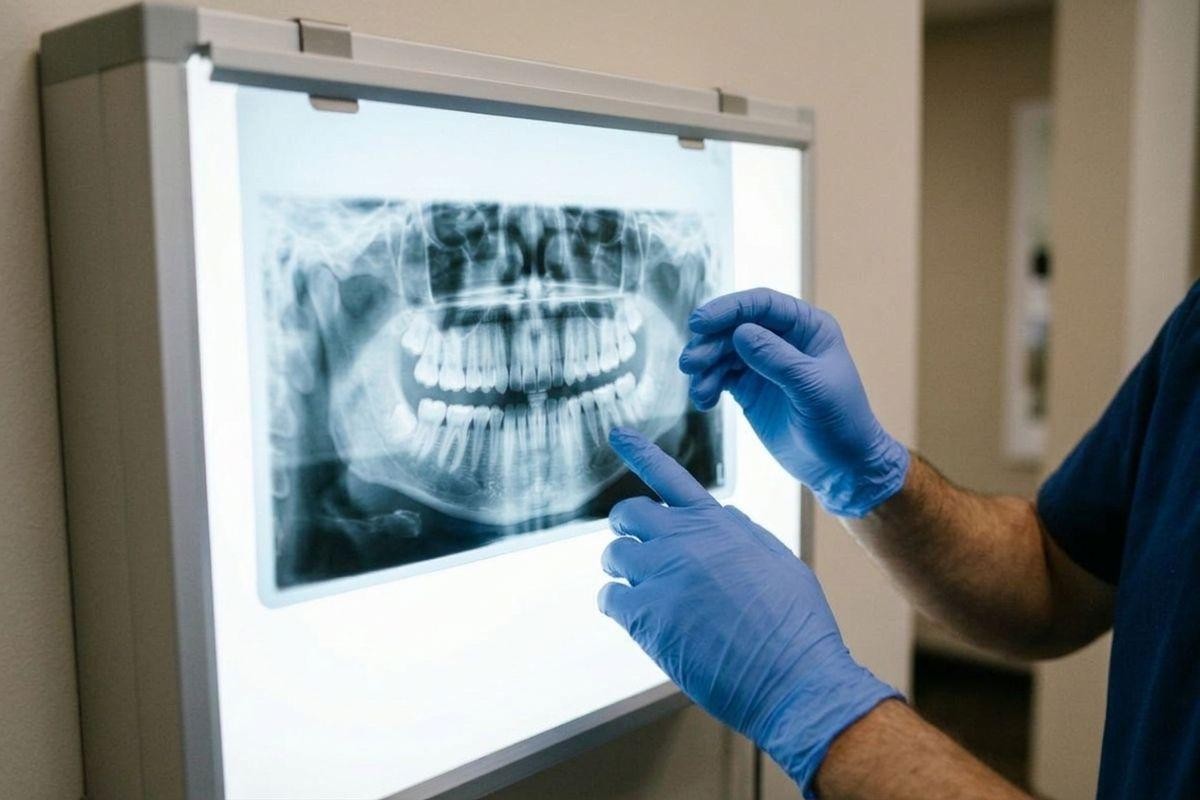
Some issues show up before you feel anything at all, which is one reason regular exams and X-rays matter. A Calgary dentist may notice a few things you can’t see.
- Repeat infections behind the last tooth
- Decay, gum disease, or cysts visible on X-rays
- Crowding or damage affecting the teeth next door
When Wisdom Teeth Can Stay Put
Removal isn’t automatic. Plenty of wisdom teeth earn their spot and keep it.
If yours have grown in fully, bite properly against the teeth above or below, and cause no discomfort, there may be no reason to take them out. The other piece is whether you can actually reach them. If your toothbrush and floss get back there daily without a struggle, that counts in their favour.
The team can keep an eye on them at your regular check-ups. X-rays taken over time help show whether anything is shifting, so you and the dentist can make a decision based on what’s actually happening in your mouth.
Age & Timing for Wisdom Teeth Removal
Why the Teen & Young Adult Years Are Simpler
In the late teens and early twenties, the roots of wisdom teeth often haven’t finished forming. The jawbone is less dense too, and recovery tends to be quicker at this stage. That’s why many families start the conversation while their kids are still in high school.
Removal After 25 or Later in Life
Wisdom teeth can be removed at older ages as well, so a later start isn’t a closed door. Fuller roots can make the process more involved, and healing may take a bit longer than it would at 18. Knowing that ahead of time helps you plan a few quiet days around it, and oral surgery options can be reviewed with you first.
What To Expect During & After Removal
The Visit Itself
Before anything begins, the dentist can walk you through numbing and sedation options so you know what to expect from your appointment. Once the tooth comes out, dissolvable stitches may be placed, which means no return trip just to have them taken out.
If you choose sedation, arrange a ride home. Line that up before the day arrives so it’s one less thing on your mind.
Recovery Tips for Your First Few Days
Biting gently on gauze helps manage bleeding early on. Rest that day, and hold an ice pack against your jaw to help with swelling.
- Stick to soft foods like yogurt, soup, scrambled eggs, and mashed potatoes
- Sip plenty of water, and skip straws
- Call the team if your pain gets worse instead of easing up, since worsening pain can turn into a dental emergency
Talk It Through With The Team
Whether your wisdom teeth are aching now or you just want to know where they stand, an exam and X-ray can give you a straight answer. The team at Montgomery Dental Centre can review what’s happening at the back of your mouth and explain your options in plain language, no pressure attached.
Book a wisdom teeth consultation today and get a clear picture of what’s next for you or your teen.